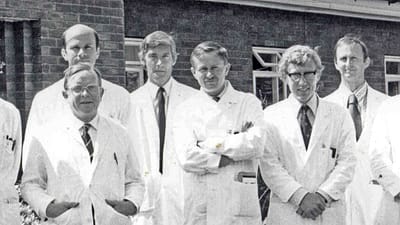
Since Sir John Charnley’s death in 1982, the Trust set up in his name continues to fund research, education and training in orthopaedics. It has made charitable grants of over £1.7 million to fund fellowships, lectures, seminars and conferences.
As one of the great orthopaedic pioneers, Sir John set the highest standards in surgical technique, implant design, infection control and patient care. His teaching is as relevant today as it ever was. The Trust’s work continues this legacy, aiding research and study projects throughout the field of bone and joint surgery.
While continuing to support clinical research, The John Charnley Trust is also working to improve patient education about joint replacement procedures. In 2004, it set up a programme to deliver high quality patient information services to healthcare providers in the form of exhibitions, websites, presentations and printed materials.
The initiative provides patients with the information they need to be well-informed about their surgery. The aim is to communicate the benefits, risks and uncertainties of surgery in an accessible and engaging way, detailing the stages of the patient’s stay in hospital.
The first project was at Wrightington Hospital, where Sir John Charnley did his important work in developing the artificial hip. The Patient’s Journey was on site from 2006 to 2020 and used interactive displays, animation, video, sound and graphics in the new hospital foyer to provide relevant information. Due to redevelopment at the hospital, it is currently being repurposed to be installed in the major corridor and will continue Sir John’s tradition of putting the patient first.
Hip Histories, also at Wrightington Hospital, was a temporary exhibition in Sir John’s biomechanics laboratory that ran between 2008 and 2012. It provided a unique insight into his pioneering work, giving access to his test rigs, trial protheses and also included a reconstruction of the original ‘greenhouse’ clean air theatre. The collection was put in store and the Trust is assessing how best to make it available on the hospital site.
The John Charnley Trust will go on funding clinical research and training and working in partnership with hospitals to improve their patient information services without diverting funds from clinical budgets.
To carry on this valuable work the Trust needs your help to ensure that Sir John’s life and work continues to reward us all. Please support us.