The home of innovation
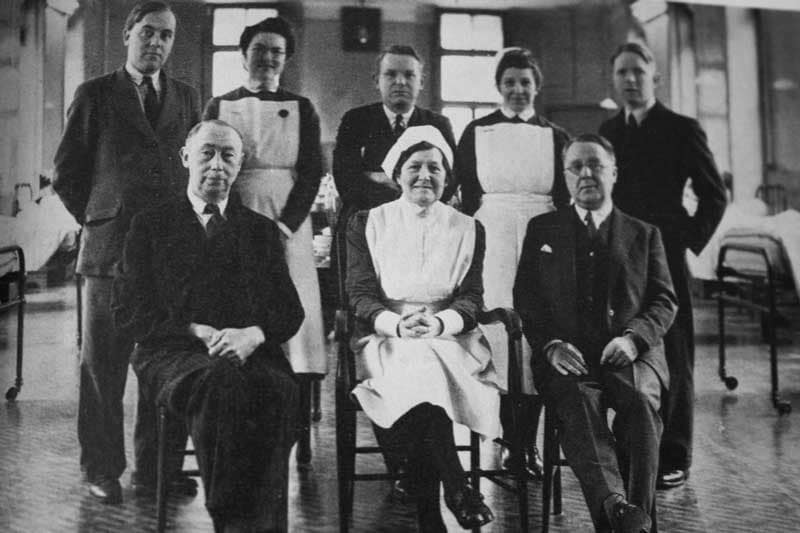
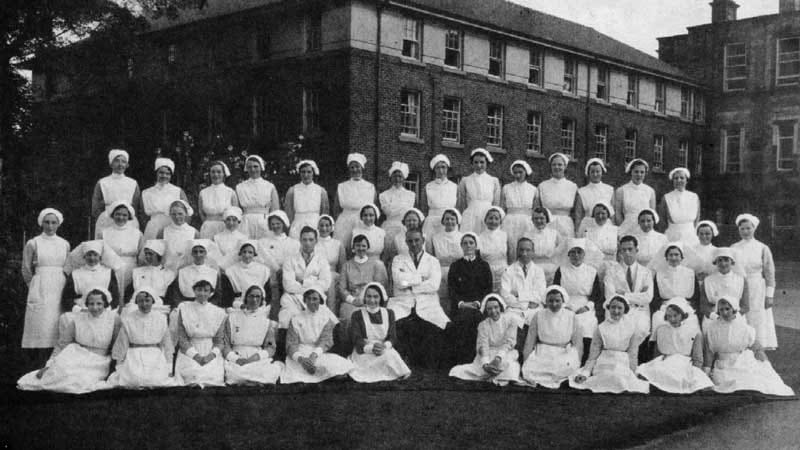
Deliberately sited away from the pollution of the city, Wrightington was established as a specialist hospital to treat tuberculosis.
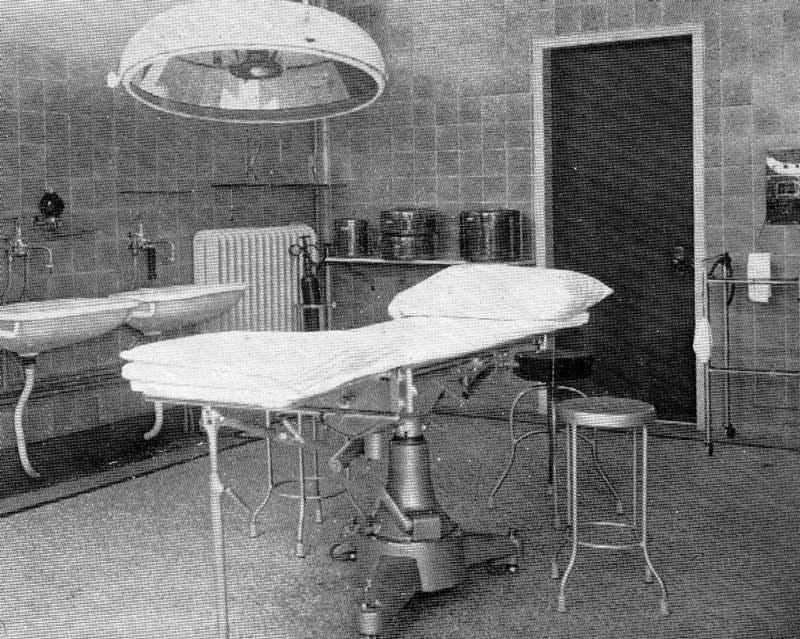
It first admitted patients in 1932 and a ‘slow cure’ of rest, fresh air, and good food was used to clear infected joints before surgical repair was undertaken. The average patient stay was 218 days. By the late 1940s there were about 250 beds, and with the foundation of the NHS in 1948 the role of the hospital changed. Public health programmes, new antibiotics and the BCG vaccine helped to reduce the incidence of tuberculosis. Operating theatres were refurbished and new medical departments created.
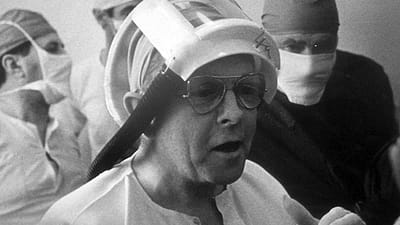
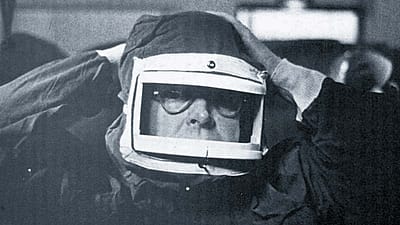
Around this time, John Charnley held the post of Consultant Orthopaedic Surgeon at Manchester Royal Infirmary and Park Hospital in Davyhulme. His role included visiting Wrightington every month to supervise patients with joint tuberculosis and patients requiring surgery.
Although he had a laboratory in Manchester, he had become increasingly frustrated by both the internal politics within major teaching hospitals and the inability to make rapid changes.
Charnley realised that Wrightington was the perfect location for him to pursue his goal of developing hip replacement surgery. He would have access to more beds, more autonomy and less competition for funding.
He relocated to Wrightington in 1958, the same year that the first section of the new nearby M6 motorway opened. He had been aware of the development and had insisted that there would be an exit junction within a mile of the hospital, ensuring fast access to major cities.
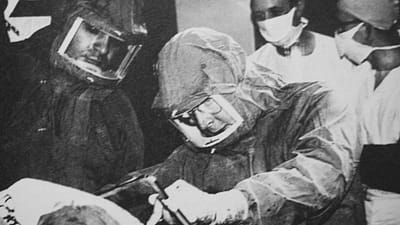
The scene was set for the breakthroughs Charnley would accomplish in the 1960s and 70s, establishing Wrightington’s international reputation for orthopaedic surgery.